Much of the conversation was about food, and about how restaurants and shops gave Wentworth its reputation well beyond the neighborhood.
Up a long flight of stairs
Preservation Chicago staff pointed out a pattern that runs through the survey: many of Chinatown’s best-known restaurants were on the second floor, with rentable shops on the street below. They compared it to the Palmer House, which lifted its lobby above a ground-floor arcade.
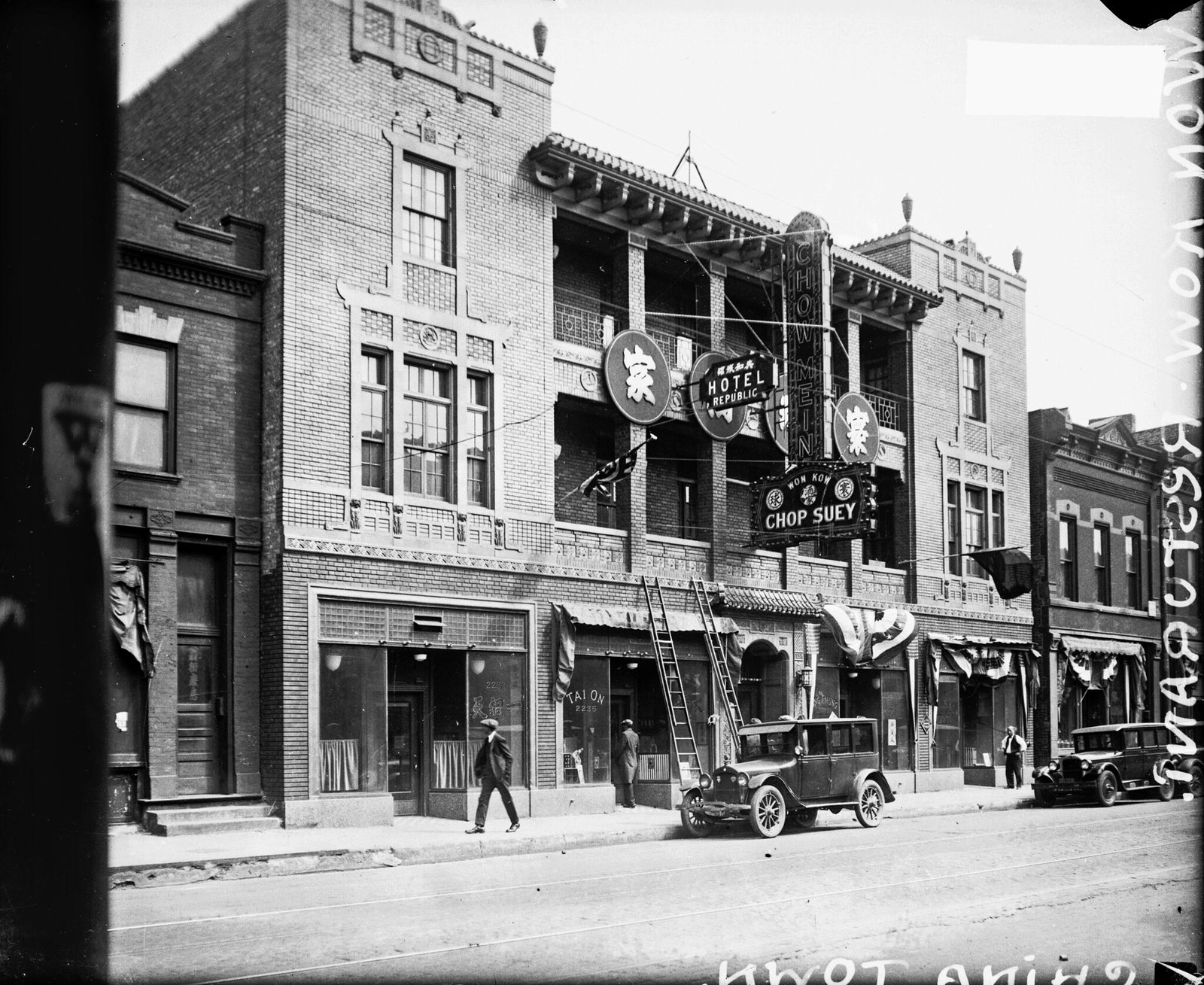
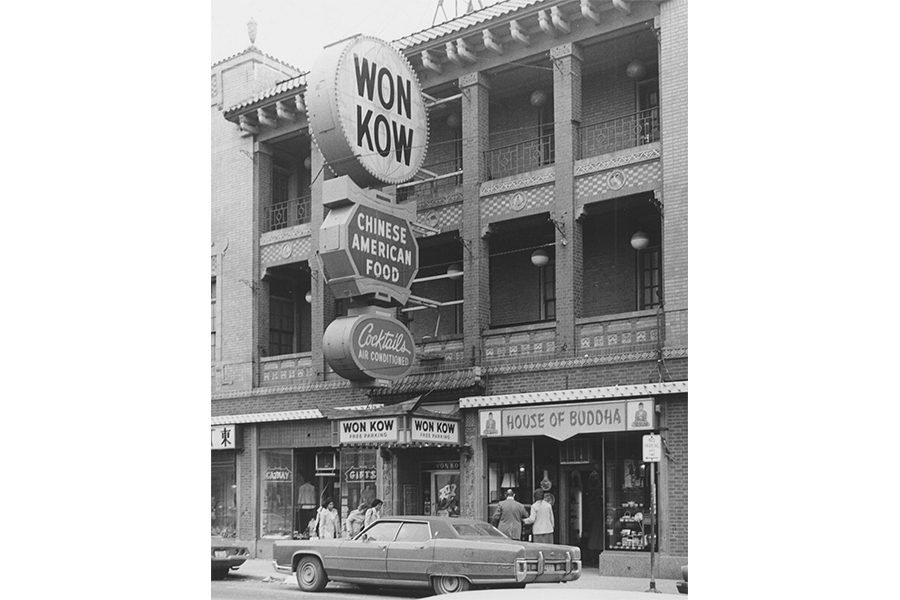
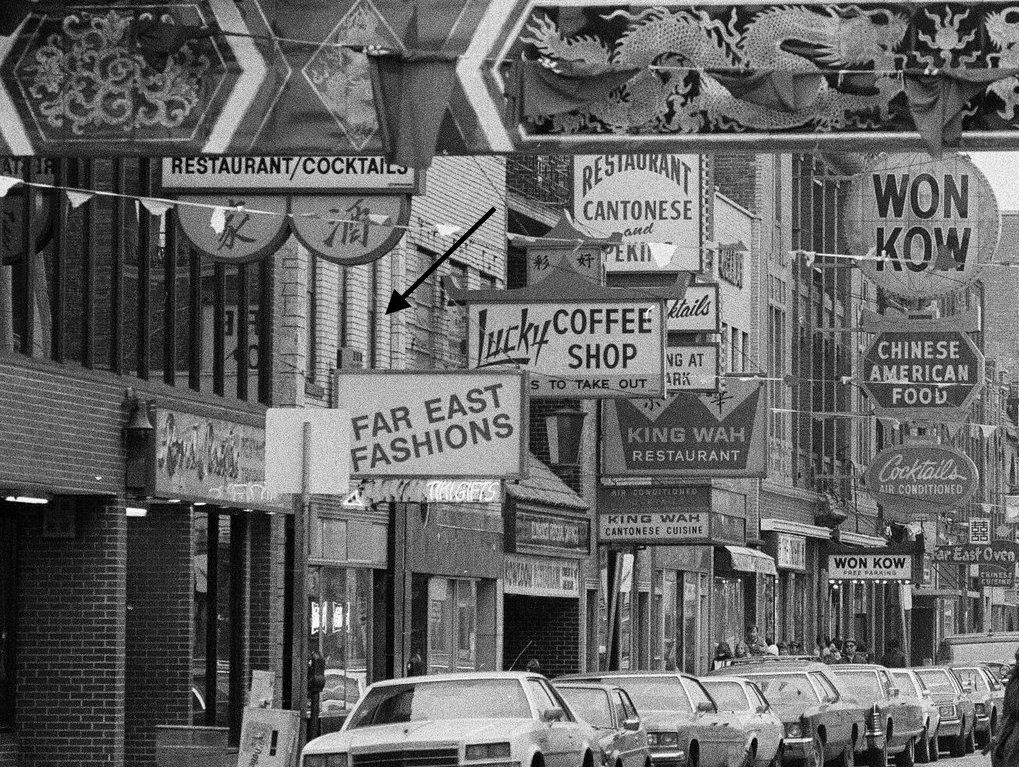
Won Kow was the example everyone knew. Robert Hoy, whose family later operated it, said it ran for about 90 years. Diners climbed a wide staircase of twenty-odd steps to reach it.
“You’d walk in and it looked like stairs all the way to heaven.”
Robert Hoy
He said three films and a television show were shot there, and repeated the long-told story that Al Capone sometimes ate there when he was not at Guey Sam’s on the corner. His uncle, who ran the restaurant into his nineties, closed it abruptly.
The Cermak and Wentworth corners
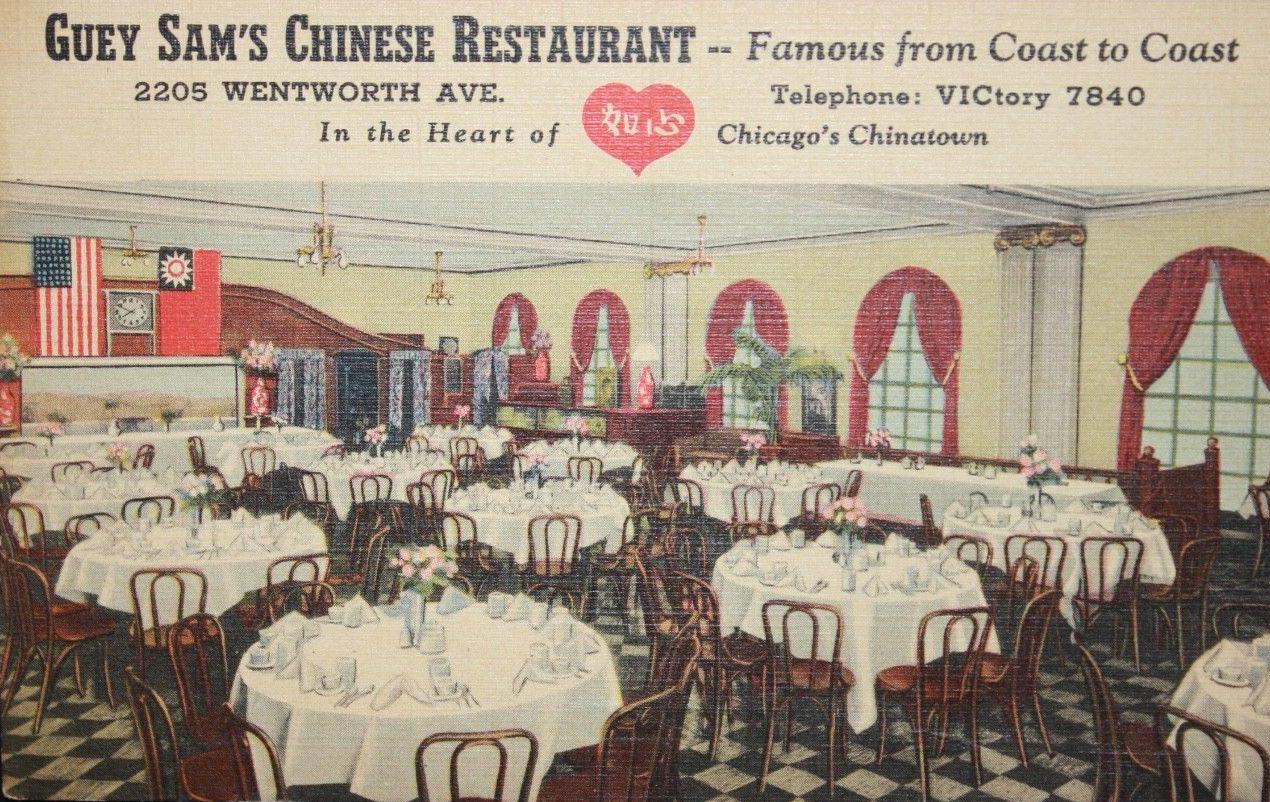
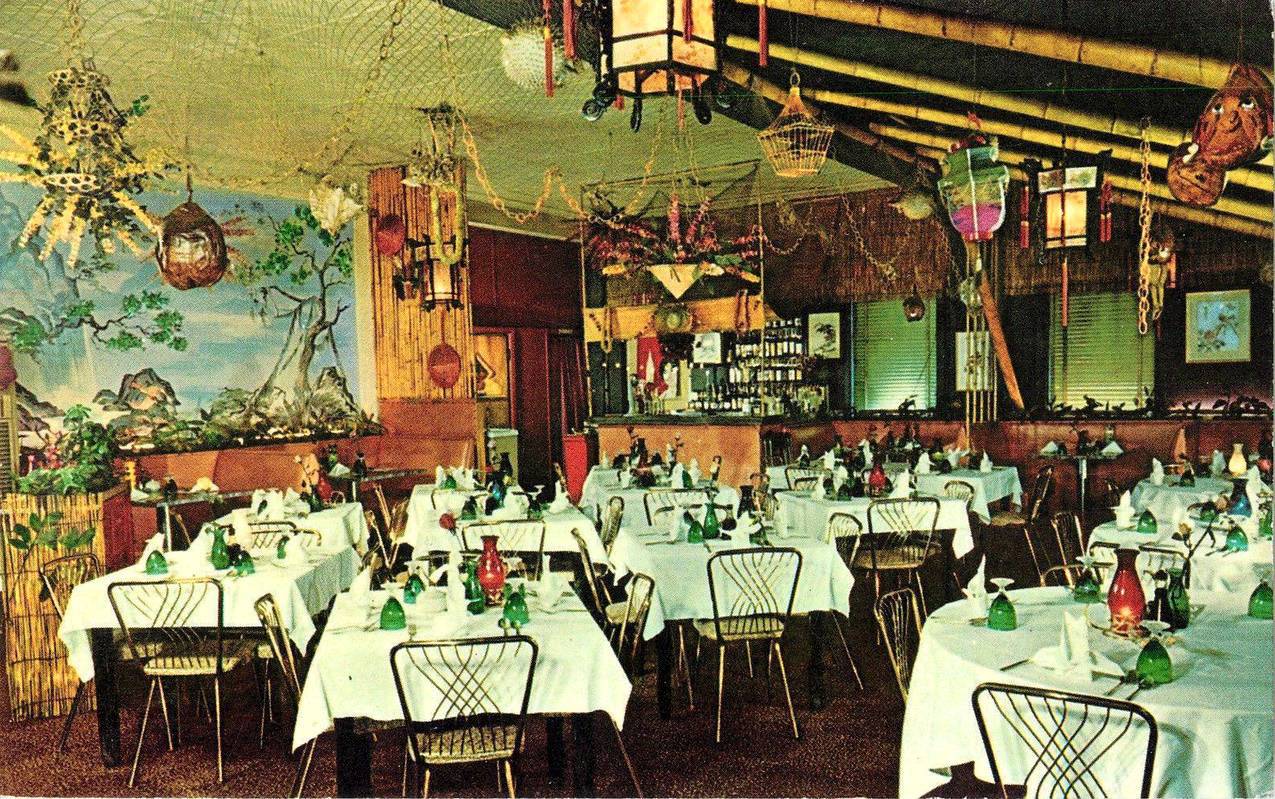
Participants worked through the corner buildings from memory. Guey Sam’s occupied the second floor on one corner, above a drugstore and a men’s hat shop with a curved-glass entrance. Across Wentworth, Tai Dong served Chinese food in a Polynesian setting. When its owner retired, a new operator from Shanghai turned the space into Moon Palace, offering northern Chinese food at a time when nearly everything in Chinatown was Cantonese. When that lease ended, Moon Palace moved across the street, so it occupied both corners at different times.
Dim sum every day
Participants credited Hong Min, on Cermak Road, with making dim sum available seven days a week; before that, they said, it was a Sunday meal. Business took off after the television reporter Walter Jacobson praised the restaurant on air.
Banquets and tour buses
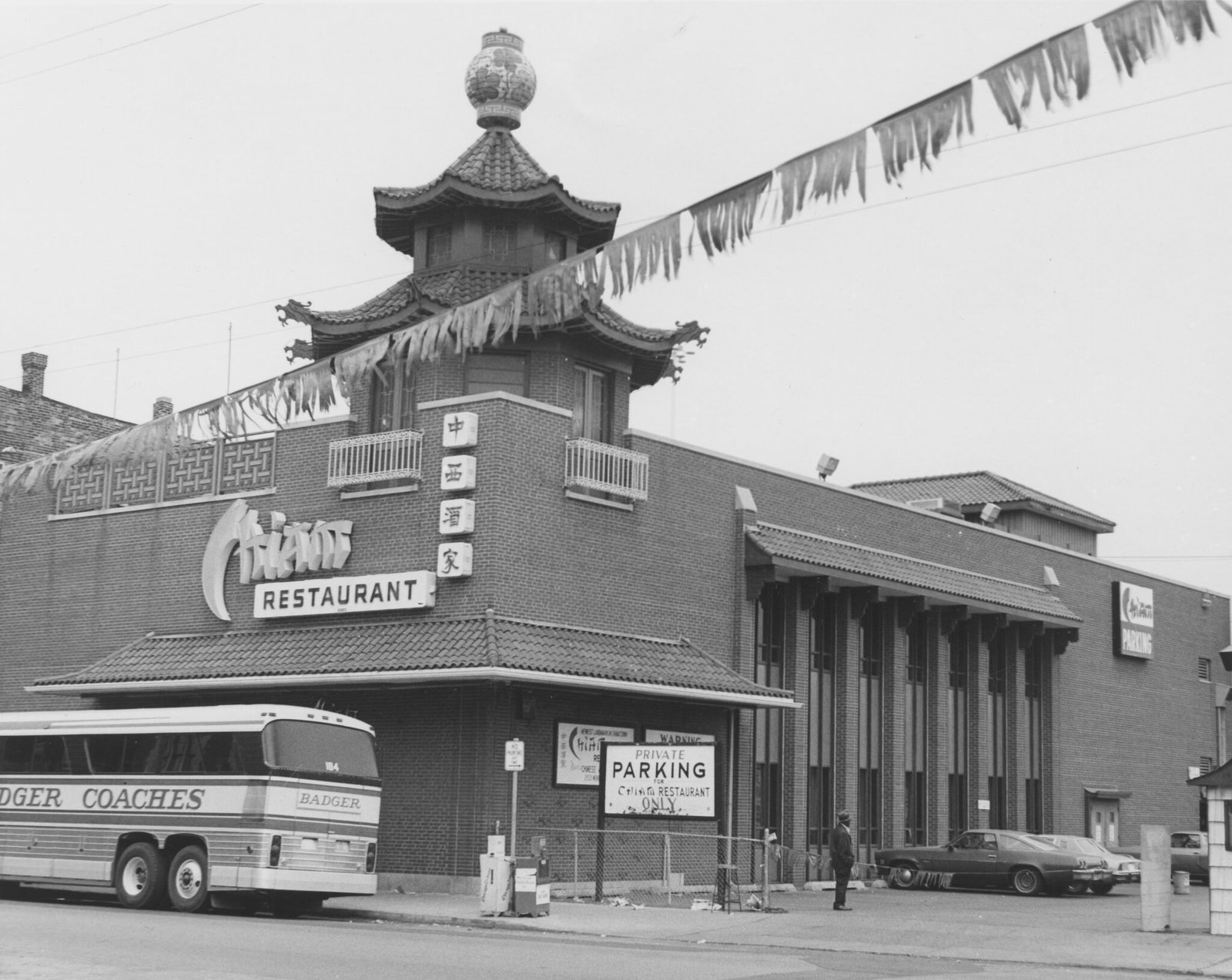
Chiam, whose name participants explained as a contraction of “Chinese American,” had an upstairs hall remembered as seating around 400 at 40 tables, and was described as the community’s only large banquet room for a time. Tour operators booked meals there for school groups on tight schedules. The space now houses Pacific Global Bank.
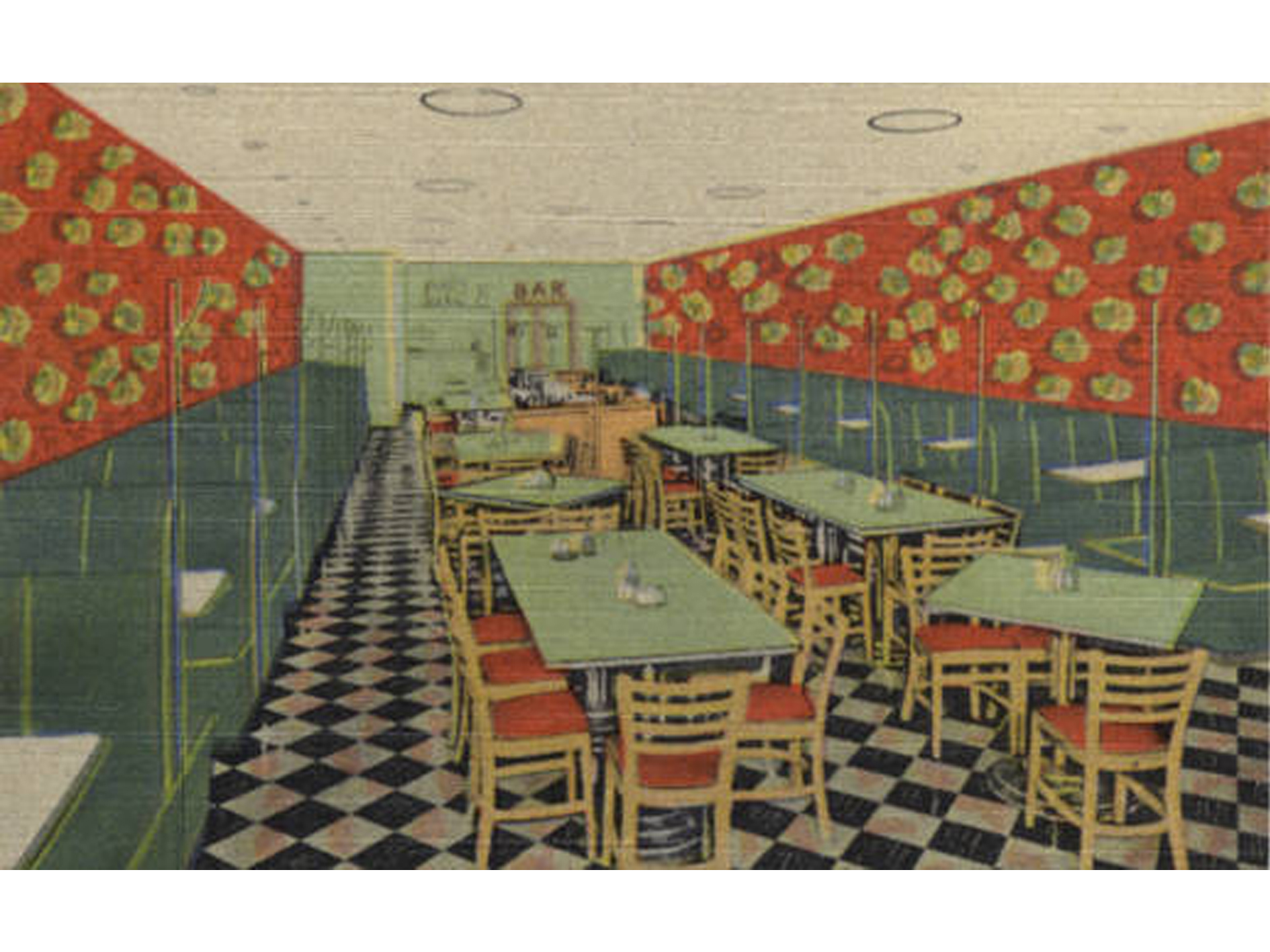
Smaller places were remembered for one dish. Far East Oven, at 2243 S. Wentworth, seated about 40 and was known for its Hong Kong steak, sliced beef with oyster sauce. Lucky Coffee Shop, at 2221, was described as neutral ground where Italian and Chinese customers mixed over its chopped beef and rice. Tin Yen, at 2242, was remembered for roast duck noodles; participants added that Chiu Quon Bakery started in the same building before moving across the street.
Dishes invented after midnight
One story concerned a restaurateur named Peter, who left the family gift shop business when tourism slowed, bought a 40-seat restaurant and struggled with his kitchen. A cook named Benson Lee, dismissed by others as “a chop suey cook,” taught him and worked with him on new dishes, including satay beef, a dry-fried salt-and-pepper pork chop that the participant called one of the most popular dishes in Chinatown today, and a tripe dish made from cow stomach that vendors had been giving away. Staying open until 4 a.m., the restaurant fed cooks returning from suburban kitchens, who spread the word.
Morning crowds on Wentworth
Participants described a sight that confused visitors: hundreds of people standing on Wentworth around 10 a.m. They were restaurant workers waiting at the bakeries for vans that took them to suburban Chinese restaurants for the day and brought them back after dark. Participants said this still happens, though less than before.
Gift shops and 300 buses
From the 1960s, participants said, tourism made gift shops one of the street’s main businesses. One participant remembered Saturdays with as many as 300 buses, most carrying school groups from across the Midwest. Buses lined Cermak ten at a time, and each wave of students had about 30 minutes to shop before the next arrived.
Students looked for back scratchers, cigarette holders, coolie hats, fortune cookies and, often, fireworks, which the shops had but could not sell. Before 1972, participants noted, goods from mainland China were hard to obtain, so much of the stock came from Japan and Hong Kong. Robert Hoy’s family ran The Orient Shop in the Won Kow building, and a gift shop opened by one participant’s mother in 1978 appears in photographs as Far East Fashions.
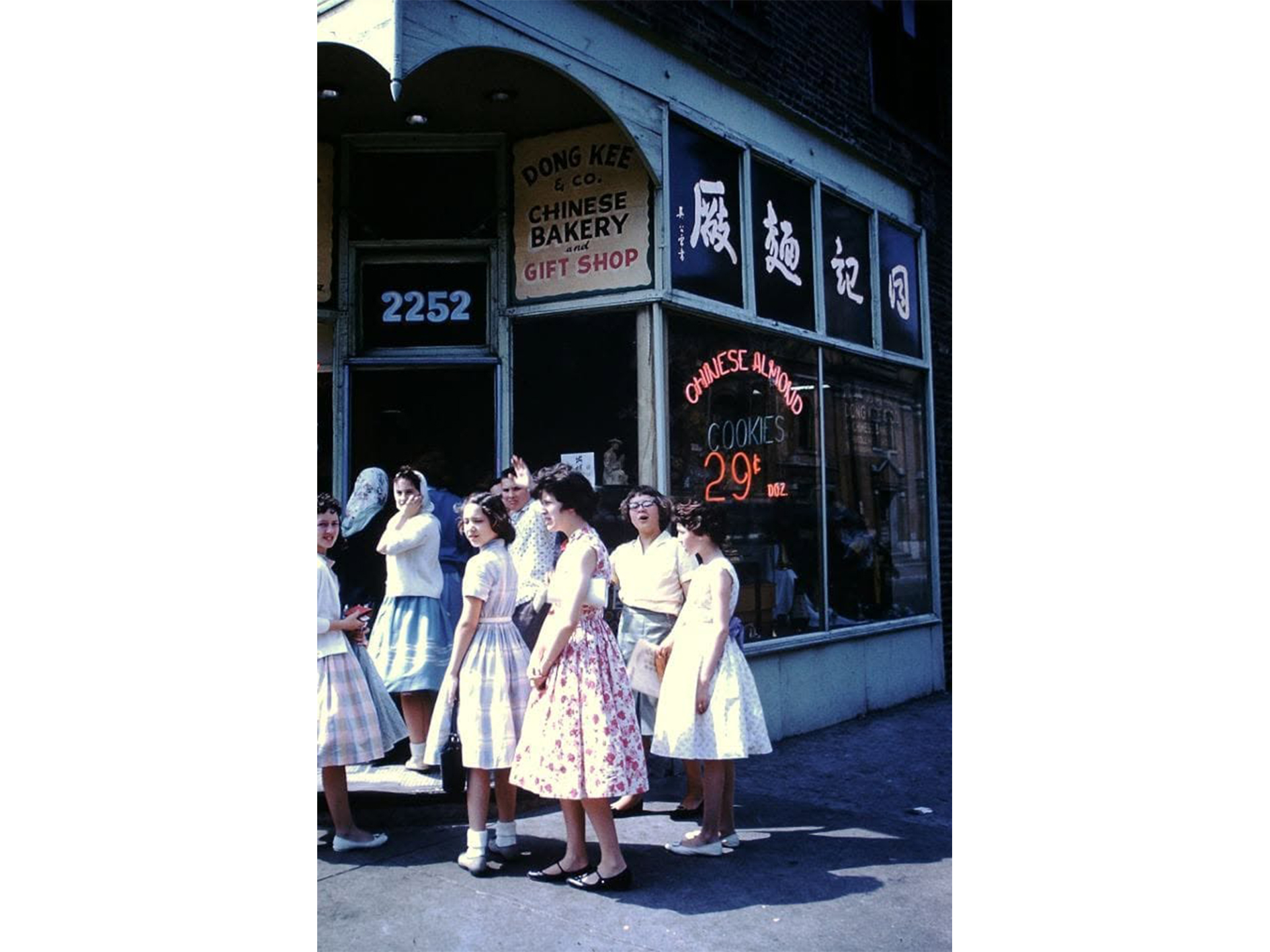
Dong Kee Bakery made almond and fortune cookies on site, remembered at 48 cents a dozen, and stayed open until midnight for visitors heading home. Participants also credited the Dong Kee family with the calendar on which Chinatown businesses advertised, an idea they said others later copied.
The Ling Long Museum
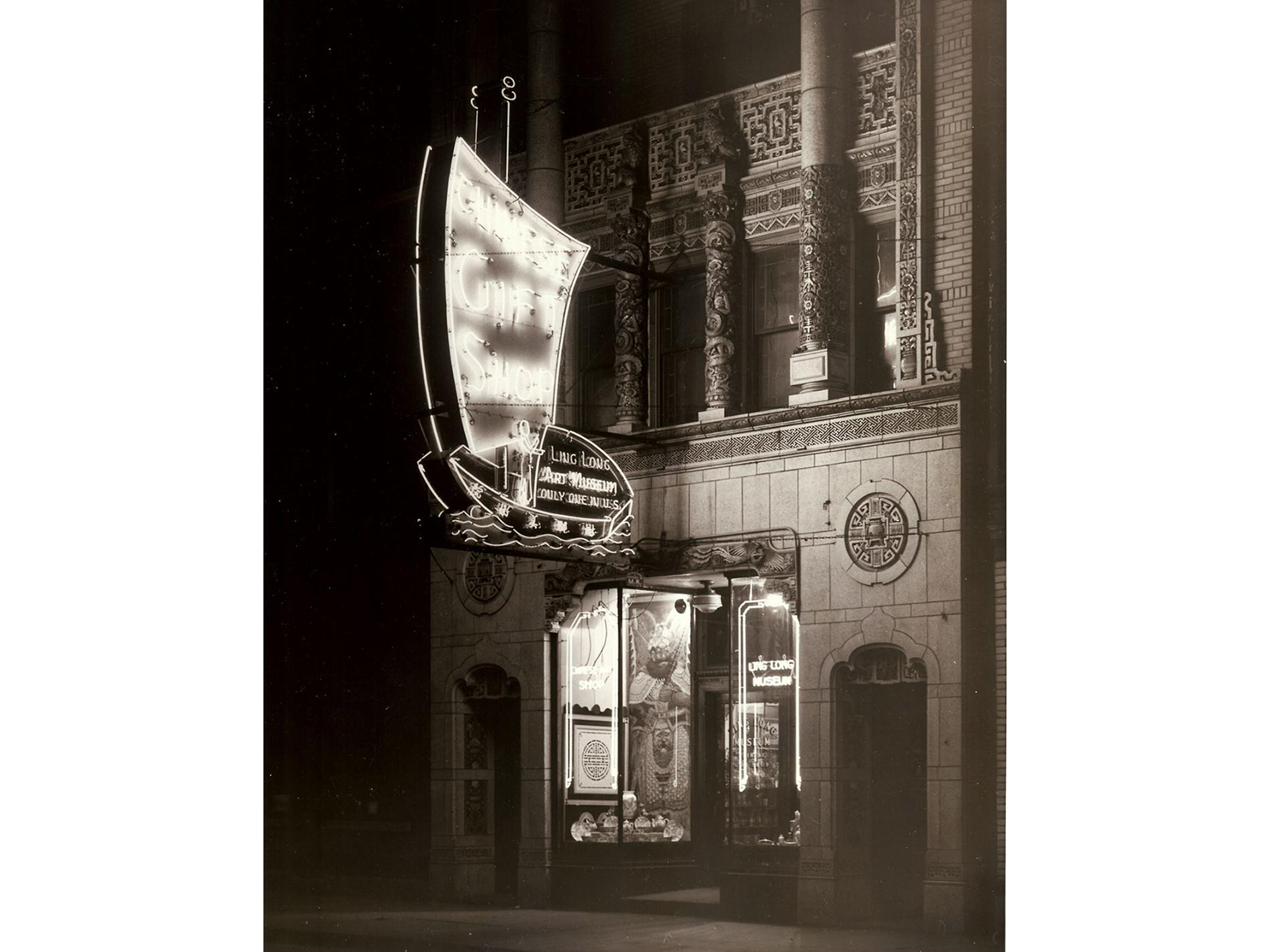
On the ground floor of the Moy Family Association building, the Ling Long Museum combined a gift shop at the front with paid admission to a hall of dioramas at the back, including a funeral procession and a wedding. Participants recalled its neon sign, a Chinese junk with a large sail. The dioramas were later donated to the Chinese American Museum of Chicago, they said, and most were lost in a fire there.